

Whispers That Command the Storm
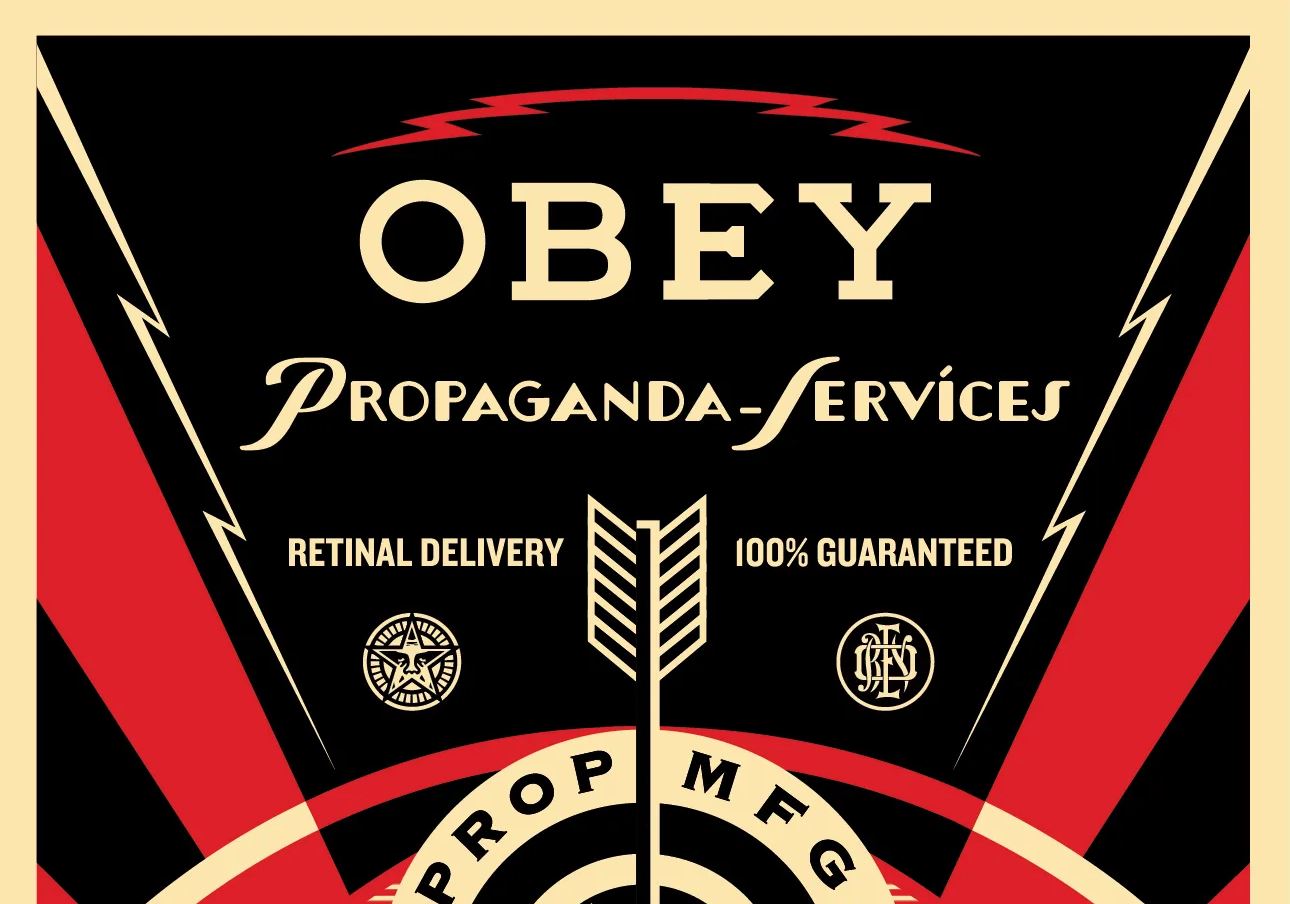
The unseen campaigns of influence, fear, and persuasion that shaped the mind of war
The Invisible Frontline of Conflict
War has always been a contest of perception as much as destruction. While soldiers fought with weapons, strategists waged an equally fierce battle for the human mind. Psychological warfare, though ancient in spirit, found its modern form when armies learned that morale could collapse faster than fortifications. The invisible frontline ran through thoughts, emotions, and collective belief. To command fear became to command motion, and to plant doubt was often to paralyze entire divisions. In this realm, leaflets carried as much weight as bombs, and a rumor could outpace any missile. Generals discovered that control over narrative could deliver victory without exhausting supplies. In the great wars of the twentieth century, radio waves became the arteries of influence, flowing across borders to whisper persuasion into the ears of both enemies and allies. Modern campaigns refined these methods further, transforming information into an instrument of precision. The invisible war blurred truth and illusion until even soldiers questioned which voices guided them, and civilians learned that reality could shift with every broadcast they heard.
The Roots of Manipulation and Control
The earliest conquerors understood instinctively that the mind was the most fragile terrain. Ancient empires spread legends of divine favor to weaken the courage of their foes. Greek commanders ordered torches lit across distant hills to give the illusion of endless reinforcements. Mongol horsemen drove herds of animals through valleys to stir dust that mimicked approaching armies. These acts carried no weaponry yet broke resistance before a blade was drawn. By the Renaissance, pamphlets replaced whispers, printing fear with the speed of invention. Nations learned to craft reputations as carefully as they forged swords. To demoralize became to disarm, to exaggerate became to defend. The power of suggestion grew alongside literacy, binding populations to causes that they might never witness firsthand. The industrial age magnified this evolution. Telegraphs and newspapers transformed communication into an arena of competition. Truth itself became a negotiable currency, and the victors of each war rewrote memory to maintain control. Psychological warfare thus matured long before the term existed, proving that perception is the most enduring fortress of any civilization.
The Era of Propaganda Machines
The twentieth century introduced machinery capable of carrying emotion across continents. World War I birthed the formal institutions of propaganda. Governments employed artists, writers, and actors to turn national struggle into collective identity. Posters spoke louder than speeches, and music became a recruiting tool that turned death into duty. Slogans condensed complex politics into digestible conviction. When radio emerged, its reach transformed persuasion into an instrument of total mobilization. Voices from capitals carried confidence through static, assuring citizens that endurance meant triumph. World War II advanced these arts into precision science. Joseph Goebbels refined narrative control into an industry, while the Allies responded with broadcasts that promised hope and humanity. Loudspeakers echoed across battlefields urging surrender, while films portrayed enemy leaders as either monstrous or ridiculous to erode reverence. In this age, propaganda moved beyond lies. It became about rhythm, repetition, and framing. The modern mind learned to accept what it heard most often. War became a conversation where silence itself was suspicious, and every pause invited interpretation. In that atmosphere, the spoken word acquired the gravity of ammunition.
The Psychological Logic of Fear and Hope
Fear remains the simplest and most reliable tool in the arsenal of manipulation. It reduces judgment, accelerates obedience, and blurs the boundary between self and state. Yet its effectiveness lies in balance. Terror that grows too sharp invites rebellion, while terror that arrives in rhythm breeds dependence. The best practitioners of psychological warfare understand this rhythm. They interlace threats with comfort, warnings with promises, and punishment with protection. Hope serves as the silent partner of fear, giving victims a direction for survival. Totalitarian regimes learned to cultivate both, building loyalty through controlled anxiety. Democratic states, wary of overt coercion, resorted to subtler methods, guiding opinion with suggestion and omission. Soldiers in the field encountered these forces daily. A single rumor about betrayal could shatter discipline, while a captured letter from home could restore courage. Fear and hope moved invisibly through armies like weather fronts, shifting morale without command. To harness them was to command an element as unpredictable as fire, yet just as capable of reshaping landscapes when guided with precision.
Technology and the Globalization of the Mind
The digital age transformed psychological warfare into a borderless enterprise. Information now travels faster than comprehension, reaching millions before verification begins. Nations, corporations, and insurgent groups learned to weaponize attention. Social media replaced the leaflet, algorithms replaced the radio, and perception became a measurable resource. A message can now target individuals based on emotion, belief, or fear, creating personalized campaigns of influence. The battlefield expanded into every pocket that holds a screen. Disinformation thrives on repetition and immediacy, overwhelming reason with volume. Even peace becomes uncertain when falsehood and truth wear the same design. Intelligence agencies developed psychological operations that blend fact and fabrication, using fragments of reality to make lies breathe convincingly. Artificial intelligence refines these strategies further, predicting how a community might react before it even reads a message. The result is a new kind of global tension where war no longer requires armies, only access. Victory becomes indistinguishable from persuasion, and the mind becomes the final frontier of conquest. The speed of information outpaces the speed of reflection, leaving entire societies vulnerable to suggestion disguised as choice.
The Role of Art, Music, and Symbolism
Beyond weapons and data, art has always carried the subtlest forms of influence. Images can outlast orders, and songs can hide messages that no code can match. During conflicts, symbols replace arguments. A flag fluttering on a hill can ignite loyalty across generations, while a broken statue can dissolve belief in an empire. During the Cold War, films, literature, and popular music became tools of ideology. Western freedom danced through jazz clubs and cinema screens, while Eastern discipline echoed in poetry and parades. Each note and line carried implication, shaping perception in ways that words could not declare openly. Propaganda found elegance in abstraction, making emotion its language. Visual simplicity allowed messages to leap cultural barriers and anchor themselves in memory. Even in modern times, digital memes and viral images continue this lineage, reducing complex issues into instant conviction. The battlefield of symbolism requires no translation. It works by instinct, by beauty, and by repetition. Through art, psychological warfare becomes almost invisible, because it hides within admiration and aesthetic pleasure, recruiting belief through wonder rather than command.
The Science of Morale and Resistance
Every campaign of persuasion encounters resistance, for the human mind is not an empty vessel but an active participant. Psychological warfare forced military science to study resilience as carefully as weaponry. Morale became quantifiable through observation, interviews, and even biological indicators such as sleep and appetite. Scientists examined how isolation, exhaustion, and uncertainty weakened willpower, while cohesion, humor, and shared ritual restored it. Counter-propaganda units learned that truth, delivered calmly, could sometimes defeat ten lies shouted in panic. Soldiers were trained to recognize manipulation and to use skepticism as armor. Civilians learned to read critically, questioning not only sources but motives. Modern armies now include behavioral experts whose task is to inoculate against psychological assault. Training emphasizes awareness of emotional contagion, because panic spreads faster than orders. In this science, resilience becomes the mirror of deception. The more a population understands how influence works, the harder it becomes to enslave through narrative. Thus, education becomes a form of national defense, and knowledge itself stands as the strongest wall against psychological invasion.
Ethics, Manipulation, and the Future of Influence
The evolution of psychological warfare raises questions that technology cannot answer. Where does persuasion end and coercion begin? When does defense against misinformation become censorship? As societies grow dependent on information, control over its flow becomes the most coveted power. States justify influence campaigns as protection of stability, while activists expose manipulation as betrayal of trust. The ethical tension lies in intent. A message that comforts one audience can incite another. Transparency promises safety but can also reveal vulnerabilities. The future may bring new forms of psychological engagement that operate without overt hostility, shaping opinion through entertainment, virtual experiences, or even neural interfaces. The challenge will not be preventing such methods but ensuring that their use aligns with moral responsibility. The legacy of psychological warfare warns that victory through deception breeds fragile peace. True stability arises when persuasion serves understanding rather than domination. As humanity enters an era where every emotion can be measured and every belief predicted, restraint may become the rarest form of strength, and ethics the final defense against endless manipulation.
The War of Words That Never Ends
Psychological warfare will outlive every weapon because it speaks to what cannot be disarmed. Long after tanks rust and satellites fall silent, people will still tell stories, and stories will still command allegiance. The contest for the human mind continues through culture, media, and memory. Modern civilization, more connected than ever, remains equally susceptible to distortion. The greatest victories of influence occur quietly, when populations forget they are being guided. Yet awareness restores balance. The study of psychological warfare teaches that truth must be defended not with blind conviction but with disciplined curiosity. Every society that values freedom must learn to see persuasion as both an art and a danger. The invisible war endures because perception defines existence, and those who shape it shape history. The mind, both vulnerable and resilient, remains the ultimate battlefield. Its defense does not rely on weapons but on wisdom, vigilance, and the courage to question even the most comforting of voices.