

Embers Beneath the Empire
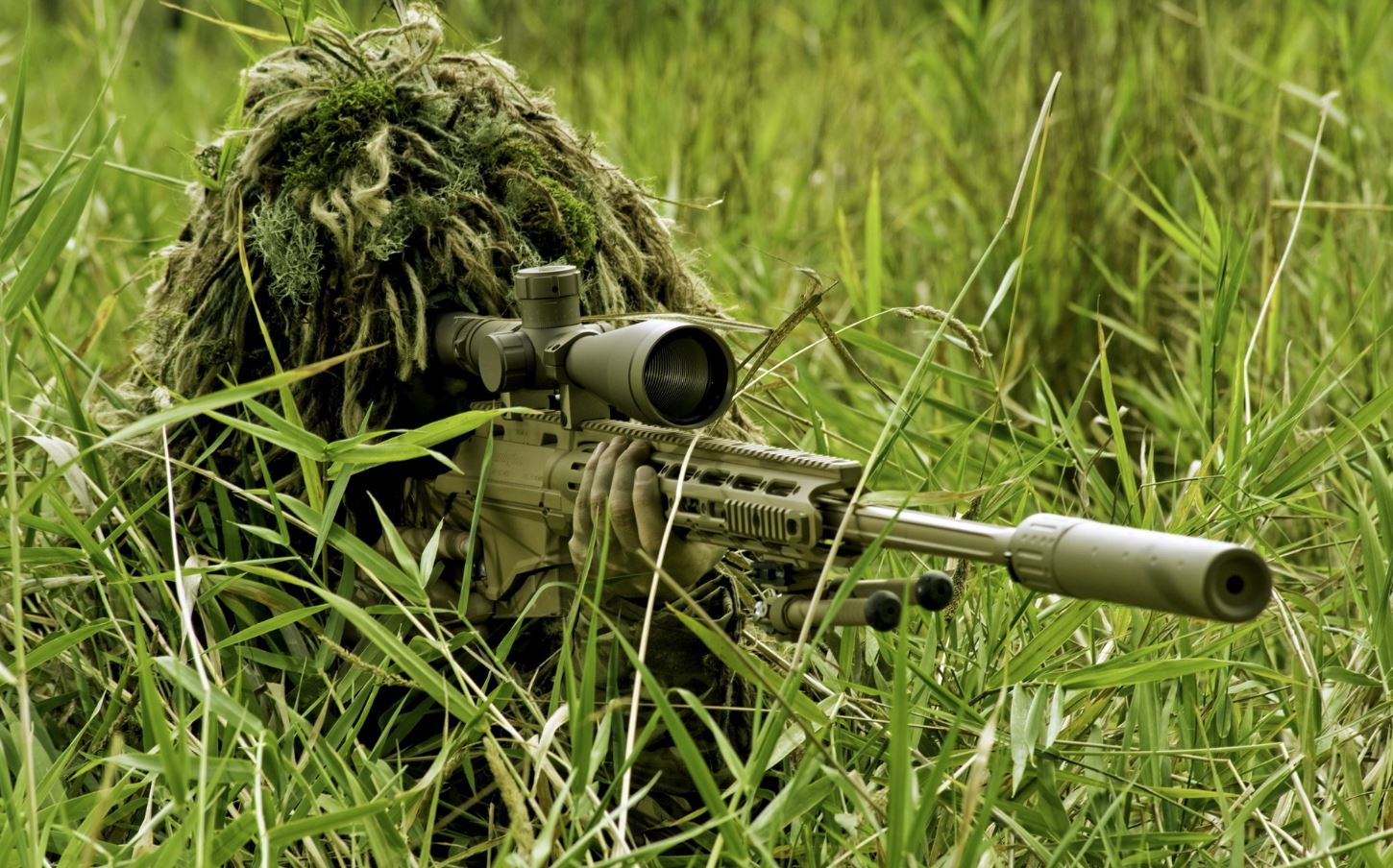
The rise, evolution, and enduring impact of irregular warfare from ancient uprisings to modern insurgencies
The Birth of Unconventional Resistance
Guerrilla warfare did not begin with textbooks or treaties. It emerged from desperation and adaptation, the art of the weak confronting the strong. When organized armies marched with banners and drums, those who lacked formation fought from shadows. The first guerrillas were farmers defending their fields, nomads shielding their freedom, and hunters using terrain as their ally. In ancient China, small rebel groups struck imperial convoys and vanished into forests. In the hills of Iberia, tribes resisted Roman occupation by ambush and retreat. They used deception instead of armor and patience instead of numbers. History remembered their defiance long after their names faded. The term “guerrilla” would not appear until centuries later, but the principle was already ancient: survival through mobility, advantage through unpredictability. Every empire that believed itself invincible eventually met the invisible hand of resistance. The great lesson of those first struggles was that power without flexibility breeds vulnerability, and that an occupied people always carries within it the seed of rebellion.
The Spanish Struggle That Named a Legacy
The modern word “guerrilla” was born in the fires of the Peninsular War, when Napoleon’s legions invaded Spain in the early nineteenth century. Local militias, untrained but relentless, began to wage what they called “la guerra de guerrillas,” the little war. They did not fight for territory but for survival and dignity. Peasants, monks, and farmers turned smugglers and shepherds into fighters who knew every ravine and orchard. French columns that advanced easily on open roads found themselves bled dry by unseen marksmen. Convoys vanished into mountain passes. Supplies burned in villages that smiled one day and vanished the next. Communication lines, the veins of any empire, were cut by men who moved faster than the news of their deeds. These small wars exhausted great armies, proving that endurance could outweigh force. The Spanish resistance not only gave the world a word but also a model. It demonstrated that nationalism, terrain, and civilian participation could fracture the mightiest of invaders. In the long memory of war, Spain taught every occupied people that defiance could be organized without uniform or rank.
The Nineteenth Century and the Spread of the Doctrine
As revolutions and empires collided throughout the nineteenth century, the concept of guerrilla warfare spread across continents. In the Americas, fighters in Mexico, Colombia, and Venezuela adapted local terrain into weapon and refuge. Simón Bolívar’s revolution relied on irregular bands who struck swiftly and dissolved before imperial forces could answer. In the Balkans, resistance against Ottoman rule combined folklore with strategy, transforming brigands into national heroes. Africa saw early forms of guerrilla resistance during colonial incursions, where smaller tribes used mobility to exhaust technologically superior armies. The lessons multiplied. Guerrilla fighters learned that propaganda was as potent as bullets. To survive, they needed the support of their people, which meant discipline in conduct and restraint in cruelty. The line between liberation and banditry grew thin, and successful leaders understood that moral legitimacy sustained endurance. By the late 1800s, theorists and soldiers alike began to analyze these wars systematically. Yet the establishment still viewed them as anomalies, not as the future. That illusion would crumble in the next century, when guerrilla tactics reshaped global conflict itself.
Guerrilla Warfare in the Twentieth Century
The twentieth century transformed guerrilla warfare from local resistance into a global phenomenon. World War II scattered it across continents. Occupied Europe erupted with partisans from France to Yugoslavia. In China, Mao Zedong codified it into doctrine, teaching that the guerrilla swims in the sea of the people. His writings merged politics, patience, and pragmatism into a complete philosophy of revolutionary struggle. He argued that victory lay not in speed but in survival, not in conquest but in erosion. Guerrilla war became a process rather than an event. In Vietnam, Ho Chi Minh and General Giáp refined these ideas, turning ambush into art. Their forces built tunnels, lived among civilians, and struck at morale as much as supply. Against superior firepower, they wielded endurance as their sharpest weapon. Latin America witnessed its own evolution of the form. Che Guevara attempted to ignite revolutions across continents using small, mobile units as catalysts of ideology. Not all succeeded, but their influence reshaped how both rebels and states viewed conflict. By the century’s end, guerrilla warfare had become the defining expression of political resistance, forcing conventional armies to adapt or falter in the face of decentralized opposition.
The Balance Between Freedom and Terror
Guerrilla warfare carries within it a contradiction. Its fighters often rise to defend freedom but risk becoming what they resist. When discipline falters, resistance turns to vengeance, and the distinction between rebel and criminal blurs. History shows countless examples where cause justified cruelty, and cruelty destroyed the cause. Successful movements understand that perception is as vital as performance. The Irish Republican Army, the Algerian FLN, and the Afghan Mujahideen all wrestled with this moral geometry. To maintain legitimacy, leaders imposed codes that limited violence and protected civilians, though not always successfully. The battlefield of image proved as decisive as the field of fire. Foreign powers, watching through newspapers and broadcasts, judged rebels by behavior more than belief. States exploited excess to brand movements as lawless, while guerrillas used martyrdom to inflame sympathy. This tug of morality continues to define irregular war. Victory requires more than survival; it demands narrative control. In the end, the struggle for hearts often determines the fate of nations, proving that the sharpest weapon in guerrilla warfare is not the rifle but the story told about why it was raised.
Technology and the Modern Guerrilla
As technology accelerated, guerrilla warfare adapted with remarkable elasticity. Radios replaced messengers, turning isolated bands into networks. Later, satellites and encrypted phones transformed mobility into coordination. Drones, once the privilege of superpowers, became tools of the insurgent, used for reconnaissance, propaganda, and even attack. Social media offered what pamphlets once did, a way to shape perception and recruit from afar. Yet the core principle remained the same: turn the enemy’s strength into burden. Large armies struggled to adapt to wars without fronts, where opponents blended into cities and disappeared into hills. Modern guerrillas learned to exploit not just geography but global attention. A single video or photograph could achieve what a week of combat could not, rallying sympathizers across borders. Meanwhile, counterinsurgency evolved in response, fusing intelligence, diplomacy, and local partnerships. Technology did not end guerrilla warfare; it refined it. The digital landscape replaced forests and caves as new sanctuaries for organization. Today’s irregulars operate as much in cyberspace as on soil, showing that the essence of guerrilla conflict, mobility, adaptability, and narrative, still defines the rhythm of resistance.
The Cultural and Psychological Dimensions
Guerrilla warfare reshapes not just armies but societies. It demands endurance, secrecy, and trust in the unseen. Families become logistics chains. Songs, symbols, and rituals sustain identity when open flags cannot. The psychological strain of living between civilian and soldier transforms communities. Children grow up measuring safety by sound, while elders become historians of survival. For fighters, anonymity is both shield and prison. They carry the weight of unseen victories and unacknowledged sacrifices. In cultures that endure long occupations, the guerrilla becomes mythic, part hero and part ghost. Literature and cinema often romanticize them, yet the truth is heavier. Every ambush carries guilt, every silence hides loss. To wage such a war is to live within paradox: invisible yet vital, free yet hunted. The mental resilience required surpasses mere courage; it is a discipline of identity. The true endurance of guerrilla warfare lies not in weapons but in the capacity of human belief to persist when all visible structures collapse. The mind becomes the fortress, the will becomes the supply line, and the idea becomes the weapon that outlasts all others.
Counterinsurgency and the Paradox of Suppression
Every guerrilla war breeds its countermeasure. Armies facing invisible enemies must learn to see differently. Counterinsurgency emerged as both science and art, blending force with persuasion. British officers in Malaya, Americans in the Philippines, and the French in Algeria each developed methods that fused military pressure with social reform. The theory was simple: cut the insurgent from the people, and the resistance withers. In practice, it required subtlety rarely sustained. Excessive violence often drove more recruits to the cause. Successful campaigns invested in information, infrastructure, and inclusion rather than pure annihilation. Modern counterinsurgency integrates psychology, economics, and communication into its strategy, but the paradox remains unsolved. To destroy guerrillas, one must understand them, yet understanding them often exposes the legitimacy of their grievances. In the long view of history, suppression rarely ends rebellion; it transforms it. The lesson is clear. The sword may clear the ground, but only justice keeps it quiet. Guerrilla warfare teaches not only how to fight against power but how power must evolve to survive its own reflection in resistance.
The Enduring Legacy of the Invisible War
The story of guerrilla warfare is the story of persistence against impossibility. From ancient rebels to digital insurgents, the struggle has always been about reclaiming agency from overwhelming control. It is warfare reduced to its essence: mobility, will, and memory. No empire, however vast, has escaped its reach. Each generation rediscovers it, adapting old lessons to new landscapes. Guerrilla warfare endures because it speaks to something elemental in human nature, the refusal to submit when defeat appears inevitable. It thrives wherever imbalance exists, wherever oppression breeds courage faster than fear. Yet its legacy is double-edged. It empowers the voiceless but risks endless cycles of reprisal. The invisible war teaches that victory without reconciliation is temporary, and suppression without understanding is hollow. The future will bring new technologies and new forms of irregular conflict, but the spirit that drives them remains unchanged. The ember beneath the empire never dies. It waits, it learns, and when the world grows complacent, it rises again to remind power that no throne stands beyond the reach of defiance.