

Shadows Over the Iron Front
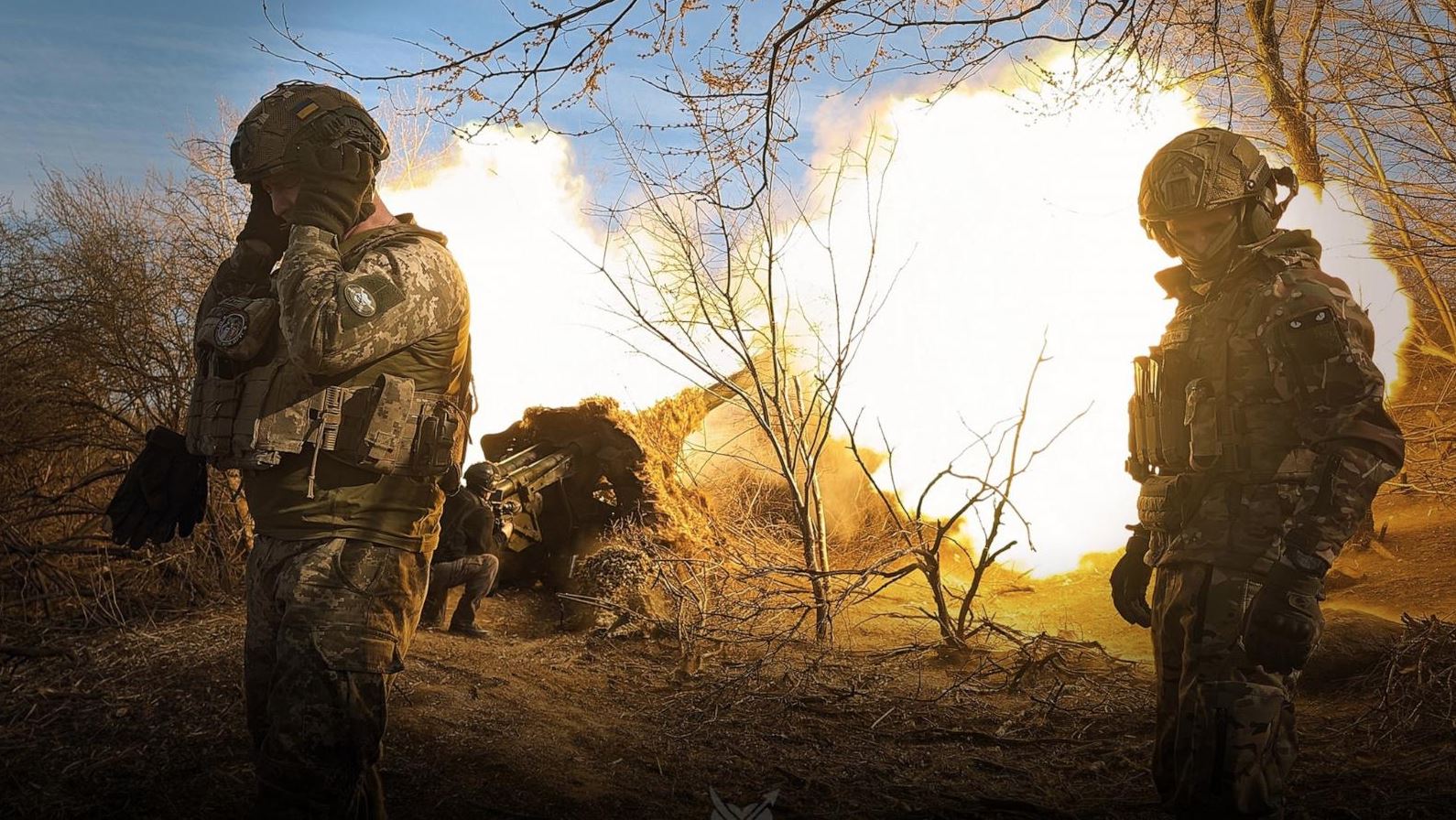
Examining the Forgotten Strategies That Defined the Eastern Conflict
The Silent Struggle Behind the Lines
The Eastern campaigns of the twentieth century were defined not only by massive troop movements and legendary commanders but by the unspoken complexity of strategy that shaped the survival of millions. Beyond the loud artillery and mechanized armor existed a quieter contest of logistics, terrain, and endurance. The front stretched across continents, from frozen tundra to marshland, and each kilometer held a different battle for control. Supply chains, morale, and weather became as decisive as rifles and tanks. The soldiers who endured those brutal conditions fought an invisible enemy as relentless as the opposing force itself. It was a theater of extremes, where the smallest tactical advantage could determine the fate of entire divisions. Hidden in this chaos were the subtle minds that orchestrated survival through adaptation, patience, and mathematical precision rather than mere aggression. The Eastern front became a classroom for the world, demonstrating how geography and persistence could rewrite the textbook definition of victory.
Winter as a Commander
Among all forces that influenced the Eastern campaigns, none commanded more respect than winter. It was not simply a season but an adversary that punished the unprepared and rewarded the patient. The merciless cold halted engines, shattered supply convoys, and tested the limits of human will. Military records reveal that frostbite claimed more combatants than bullets during several winters. Yet the armies that learned to coexist with the cold transformed it into a tactical weapon. Engineers insulated machinery, medics adapted clothing, and commanders shifted schedules to align offensives with temperature changes. Snow, ice, and blizzard conditions became allies for those who respected them. Armies built mobile shelters, devised smoke-based camouflage, and used frozen rivers as unexpected highways. Winter dictated every movement, and those who failed to listen were consumed by it. The Eastern conflict became a testament to environmental warfare, showing that victory was often less about firepower and more about flexibility in the face of nature’s judgment.
Terrain as a Weapon
The landscape of the Eastern territories was not neutral ground. It served as an active participant that shaped every engagement. Marshes slowed mechanized units, forests concealed ambushes, and vast plains exposed soldiers to artillery without shelter. Commanders who underestimated terrain soon realized that maps only told half the story. Entire regiments vanished into swamps during retreat maneuvers, and cavalry divisions turned into infantry when their mounts became trapped in mud. The tactical mind learned to treat the earth as both enemy and friend. Engineers redirected rivers to create natural defenses, and reconnaissance scouts mapped vegetation density to anticipate movement patterns. Geography was no longer a backdrop but a living chessboard that demanded strategic respect. The soldiers who adapted to this dynamic environment were not just fighters but craftsmen of survival. They learned that knowing every ridge, every field, and every bridge was often more powerful than any reinforcements that could arrive from afar.
The Mathematics of Supply
Every bullet, loaf of bread, and liter of fuel represented a calculation that determined the tempo of war. The armies on the Eastern front learned that logistics were the true measure of dominance. Maintaining supply lines across thousands of kilometers required genius-level coordination. Trains became lifelines, and their destruction could cripple entire offensives. Rail hubs were protected like royal treasures, while engineers repaired tracks under constant fire. Food distribution became a tactical concern because morale was directly tied to calories consumed. Commanders studied consumption rates as carefully as battle plans. They realized that an army starving in victory was no better than one losing in retreat. Soldiers often scavenged, trading with locals or improvising rations when supply chains broke. In many ways, the mathematics of logistics replaced the romance of heroism. The success of an operation depended not only on courage but on how efficiently beans, bullets, and bandages reached the front before exhaustion set in.
Espionage and Counterintelligence in the East
While the frontlines erupted with gunfire, an invisible battle raged in the shadows. Espionage defined the intelligence wars that unfolded across cities, forests, and borderlands. Agents disguised as merchants, farmers, and even monks transmitted crucial data through coded letters, radio signals, and hidden couriers. Counterintelligence units hunted these operatives relentlessly, turning suspicion into an everyday reality. The balance between secrecy and discovery shaped the fate of entire offensives. False information, deliberate leaks, and staged retreats blurred the perception of truth. The Eastern theater became an environment where deception was as valuable as ammunition. Cryptographers developed new cipher systems, and analysts worked in candlelit rooms interpreting fragmented data that could alter the direction of an entire army. Intelligence officers became strategists of psychology, learning that fear and misinformation could immobilize as effectively as direct confrontation. Espionage was not about glamorous heroics but about the precise art of knowing what the enemy did not know you knew.
The Role of Propaganda and Perception
No war could survive without belief, and propaganda became the unseen artillery that bombarded the mind. Newspapers, posters, and radio broadcasts crafted narratives that transformed defeat into resilience and victory into destiny. Soldiers drew strength from images of valor printed thousands of kilometers away. Propaganda framed suffering as purpose and loss as progress. It built an emotional armor around populations facing despair. Governments invested enormous effort in crafting illusions of control, even when chaos ruled the battlefield. Yet this psychological tool worked both ways. When trust eroded, propaganda turned into poison. Soldiers who saw contradictions between rhetoric and reality often suffered emotional collapse. The Eastern conflict demonstrated how information could serve as both nourishment and toxin. It was a reminder that wars are not fought solely with metal but with memory and perception. Managing belief became an art that could sustain armies longer than their physical strength would otherwise allow.
The Invisible Engineers of Strategy
For every general whose name appears in history books, thousands of staff officers and strategists operated in obscurity, translating orders into movement. These men and women formed the intellectual nervous system of war. They calculated distances, fuel consumption, and troop rotation schedules with precision that bordered on obsession. They predicted weather, enemy movement, and morale fluctuations. Their success was measured not in glory but in how smoothly chaos remained disguised as coordination. The Eastern campaigns demanded an unprecedented level of planning because of their scale and unpredictability. Strategy rooms became laboratories where theory met desperation. Engineers designed temporary bridges that carried tanks over frozen rivers. Cartographers drew new maps daily as borders shifted. Mathematicians converted data into survival equations. These unseen architects turned confusion into controlled motion, ensuring that armies did not dissolve into panic. Without them, the battlefield would have been an unscripted tragedy rather than a calculated test of endurance.
The Transformation of Leadership
The brutality of the Eastern campaigns forced a transformation in how leaders understood command. Traditional hierarchies collapsed under the weight of unpredictable conditions. Officers who clung to outdated doctrines often lost entire units, while those who learned humility adapted faster. Leadership evolved from rigid control to situational awareness. Commanders began valuing initiative over blind obedience. Soldiers were encouraged to make decisions when communication lines failed. Trust replaced intimidation as the engine of cohesion. Leadership became an act of emotional intelligence rather than pure authority. Commanders who shared the hardships of their troops gained respect that no medal could match. The battlefield taught that survival depended on empathy as much as efficiency. This transformation echoed through the generations that followed, shaping modern military philosophy. Leadership, once measured by volume of orders, became measured by the quiet ability to inspire endurance when reason and strength had already been spent.
The Rebuilding of Nations After the Storm
When the frontlines dissolved and the smoke cleared, the Eastern territories faced devastation that defied imagination. Cities lay in ruin, economies collapsed, and populations were scattered across continents. Yet out of the wreckage emerged an astonishing capacity to rebuild. Soldiers returned home to find familiar landscapes turned to ash, but they also found purpose in reconstruction. Roads, schools, and factories rose from the same soil that once absorbed blood. The regiments that had fought together became the workforce that rebuilt nations. Veterans introduced logistical discipline to civil projects, using the same precision that once guided offensives to restore supply chains for peace. Governments, scarred by the memory of collapse, invested in infrastructure that could withstand crisis. The postwar era on the Eastern frontier was not merely recovery but reinvention. The lessons learned from command, endurance, and coordination shaped civilian administration and education. The result was a generation that transformed trauma into structure, proving that the human capacity for renewal rivals the capacity for destruction.
The Legacy of Strategy and Survival
The Eastern front remains a vast monument to the resilience of the human mind and body. It stands as a reminder that war is more than combat, it is a contest of adaptation, endurance, and intellect. Every soldier, scout, engineer, and strategist contributed to a collective experiment in survival under impossible conditions. Their efforts forged doctrines that continue to influence how nations prepare for uncertainty. The echoes of their struggles reach beyond the past, guiding modern leaders in crises that bear no guns but demand the same discipline. The forgotten architects of the Eastern campaigns left behind more than ruins, they left blueprints for endurance that extend into every realm of human endeavor. To study them is to understand that history is not only about who won or lost but about how people learned to persevere when the world itself seemed determined to collapse. Their stories continue to breathe through the frost, the mud, and the silence they once conquered.