

Fractures Beneath a Single Flag
Nations tear themselves apart and what remains long after the battlefields fall silent
The Anatomy of Internal Conflict
Every civil war begins not with an invasion but with a fracture that runs deep through the veins of a nation. These conflicts are born from divisions too vast for compromise and too personal for distance. They do not erupt overnight; they simmer beneath the surface through decades of inequality, ideology, and resentment. Political grievances become social fault lines, and neighbors who once shared bread come to see each other as enemies. The anatomy of civil conflict reveals a terrifying intimacy, for unlike wars between nations, civil wars draw their battle lines across dinner tables, schools, and churches. The Spanish Civil War, the American Civil War, and countless others all share this same anatomy of betrayal. Leaders rise not as conquerors but as symbols of vengeance, and civilians become unwilling participants in struggles that defy reason. The tragedy of civil war lies not only in the bloodshed but in the recognition that those pulling the trigger share the same language, the same heritage, and often the same prayers. It is the collapse of unity made visible through violence.
The Psychology of Division
What drives a people to fight against themselves is not merely political difference but emotional rupture. Civil wars turn ideology into identity, and identity into justification for cruelty. Propaganda deepens the wounds, transforming human beings into representations of evil. Entire populations are convinced that the other half of their nation must be destroyed to preserve its purity. The psychology of division feeds on fear and pride, blurring moral boundaries until both sides believe they are righteous. In the Rwandan genocide, words became weapons long before the machetes were raised. In the English Civil War, sermons carried as much force as muskets. The manipulation of belief becomes the most potent tool in such wars, as religion, ethnicity, and class are weaponized into categories of loyalty or treason. Once a population internalizes division, reconciliation becomes nearly impossible. Civil wars do not end with treaties alone; they end when hearts relearn the capacity for coexistence. But that lesson often comes too late, after generations have inherited the bitterness of those who came before them.
The Battlefield Within Cities
In civil wars, the battlefield is rarely distant. It occupies the streets, the alleys, the courtyards of once-thriving towns. Urban warfare in these conflicts carries an especially haunting character, for it erases the distinction between soldier and civilian. Homes become fortresses, schools become barracks, and monuments of culture are reduced to barricades of rubble. During the siege of Sarajevo, the sound of snipers echoed through apartment buildings that had once hosted music and laughter. In Aleppo, the ancient city became a graveyard of history itself, its architecture collapsing alongside the trust of its people. Civil wars transform landscapes not just physically but spiritually, turning familiar places into memories of fear. The smell of smoke lingers long after the guns fall silent, and entire generations grow up associating their birthplace with loss. The destruction of cities in civil wars is a kind of self-immolation, a collective burning of heritage in the name of victory that leaves nothing victorious behind. To rebuild afterward is not merely an act of construction, but an act of defiance against despair.
Revolution or Catastrophe
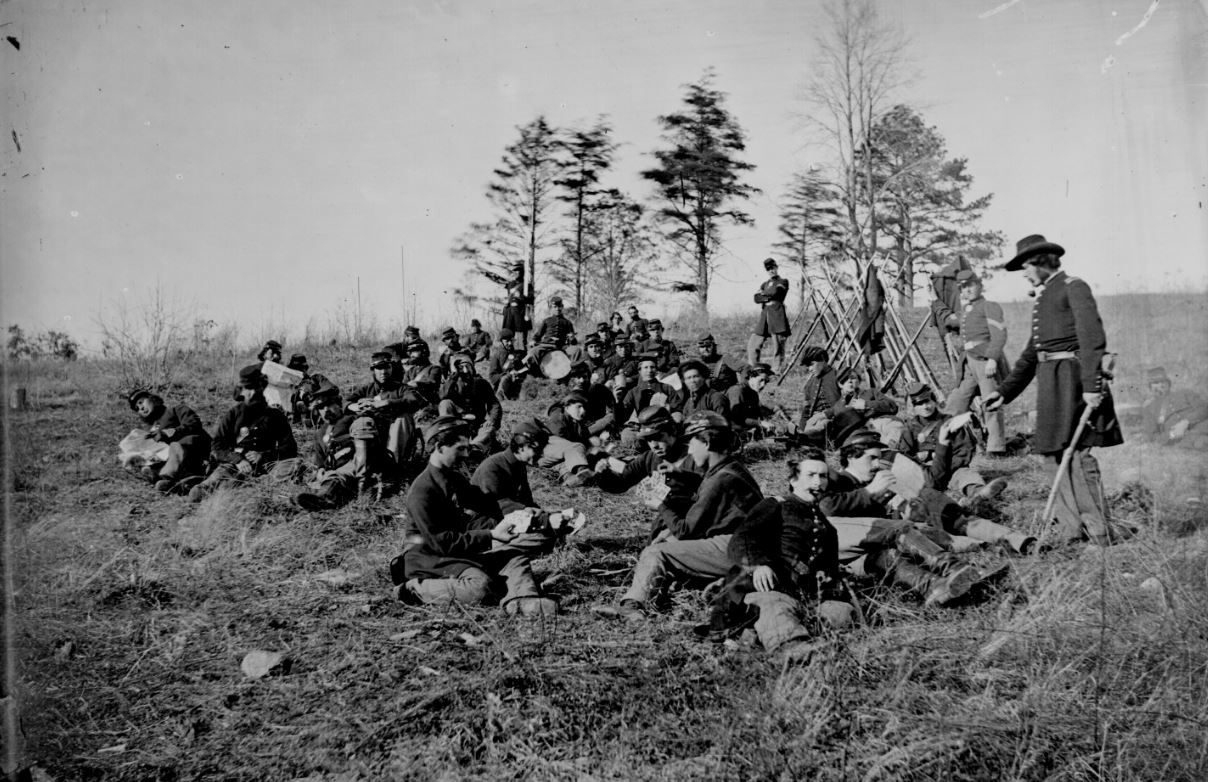
Every civil war exists on a moral precipice between revolution and catastrophe. The victors often rewrite history to claim their cause was noble and necessary, while the vanquished are condemned as traitors. Yet the reality is rarely so clear. In some cases, civil wars do lead to rebirth. The American Civil War, though devastating, brought an end to slavery and redefined the meaning of freedom. The French Revolution, through chaos and blood, birthed new ideals of citizenship and equality. But for every such transformation, there are countless civil wars that deliver only decay. The Cambodian civil conflict and the Liberian war left nations traumatized beyond recognition, where ideology gave way to barbarity. The question of whether a civil war is justified becomes meaningless to those who endure it. Ideals that once fueled rebellion are drowned beneath the practical horrors of starvation, displacement, and revenge. What begins as a struggle for justice too often ends as a contest for survival, and the dream of liberation becomes indistinguishable from the nightmare of ruin.
The Reconstruction of Identity
When the guns are finally silent, the challenge of rebuilding identity begins. Civil wars do not simply destroy infrastructure; they annihilate the shared narrative that holds a society together. Nations emerging from internal war must decide who they are and who they will forgive. The peace that follows is never immediate. In Rwanda, reconciliation programs attempted to bridge the gulf left by genocide through truth-telling and community rebuilding. In post-Civil War America, the scars of division lingered for generations, as Reconstruction gave way to new systems of racial oppression. The restoration of identity after civil war requires more than political stability; it demands a rewriting of collective memory. Monuments, textbooks, and ceremonies all become battlegrounds of interpretation. What one side calls freedom, another remembers as defeat. For true recovery to occur, a nation must confront its past without sanitizing it, acknowledging the full spectrum of guilt and pain. Rebuilding identity is not about erasing division but learning to live with the memory of it.
The Economic Scars of Fracture
Economically, civil wars are among the most destructive forces imaginable. Unlike wars between states, where combat ends when borders are redrawn, civil wars disrupt the entire internal system of production and exchange. Roads, ports, and communication networks collapse, while human capital drains away through migration or death. The aftermath often sees a generation lost to poverty and dependency. Reconstruction aid from the international community can help, but it also creates new hierarchies and resentments. Those who controlled resources before the conflict often reemerge as power brokers, consolidating wealth in the ruins. In many cases, the very conditions that fueled the civil war, inequality, corruption, and exclusion, return under new guises. The South after the American Civil War became a paradox of freedom without prosperity, while modern-day Syria faces a future where reconstruction itself may entrench division. Economic scars, unlike physical ruins, do not fade with time. They embed themselves into the fabric of everyday life, shaping generations who grow up knowing only scarcity. The true cost of civil war is not measured in destroyed buildings but in the dreams deferred by economic collapse.
The Cultural Memory of Civil Strife
Culture becomes the final refuge of remembrance in societies scarred by internal conflict. Art, literature, and music capture what political discourse often cannot, the emotional truth of a nation divided against itself. In Spain, poets like Federico García Lorca immortalized the anguish of civil war in verses that survived censorship and death. In America, the songs of the Reconstruction era told stories of endurance and mourning, reminding people that unity is an ongoing pursuit. Film and literature continue to revisit these wounds, as nations attempt to make sense of the senseless through creative expression. Yet cultural memory can also deepen division when one narrative dominates another. Statues and memorials become contested ground where identity and history collide. The struggle over how to remember becomes as fierce as the struggle that once tore the country apart. Still, culture remains indispensable to healing, for through it, pain is transformed into meaning. The arts give voice to the voiceless and preserve the lessons that politics may choose to forget, ensuring that even in silence, the past continues to speak.
The Universal Lesson of Civil Wars
Though each civil war is unique in its origins and outcomes, the legacy they share transcends borders. They remind humanity of the fragility of order, the ease with which justice can become vengeance, and the difficulty of achieving peace without sacrifice. The lesson of civil wars lies not in the battles themselves but in what follows, the struggle to forgive without forgetting. The idea that peace is merely the absence of war is a dangerous illusion. True peace requires the rebuilding of trust, the rediscovery of empathy, and the courage to face one’s own reflection. Civil wars expose the deepest contradictions of human nature: our capacity for cruelty matched only by our capacity for recovery. From ancient Rome’s fall into chaos to the modern crises of the twenty-first century, the story remains the same. When nations turn inward, they risk consuming themselves. But when they rise from the ashes with humility and vision, they remind the world that even division can become the foundation of renewal.
The Echo That Never Fades
Every civil war ends, but none ever truly disappears. Its echoes linger in the way people speak, vote, and remember. Generations later, the descendants of the divided still feel the weight of choices made by ancestors who believed they were right. These conflicts become part of national DNA, shaping the laws, borders, and institutions that define the future. The legacy of civil war is not solely destruction; it is also revelation. It exposes the limits of pride and the necessity of empathy. A nation that endures such conflict carries a scar, but that scar can also serve as a reminder of resilience. To study civil wars is to study the cost of forgetting how to listen. Their legacy teaches that unity is not the absence of conflict but the presence of compassion strong enough to survive it. And so, long after the last smoke clears and the last name is carved into stone, the echo of civil war remains, a warning, a lament, and a testament to the unending quest for reconciliation.