

Needles in the Wire
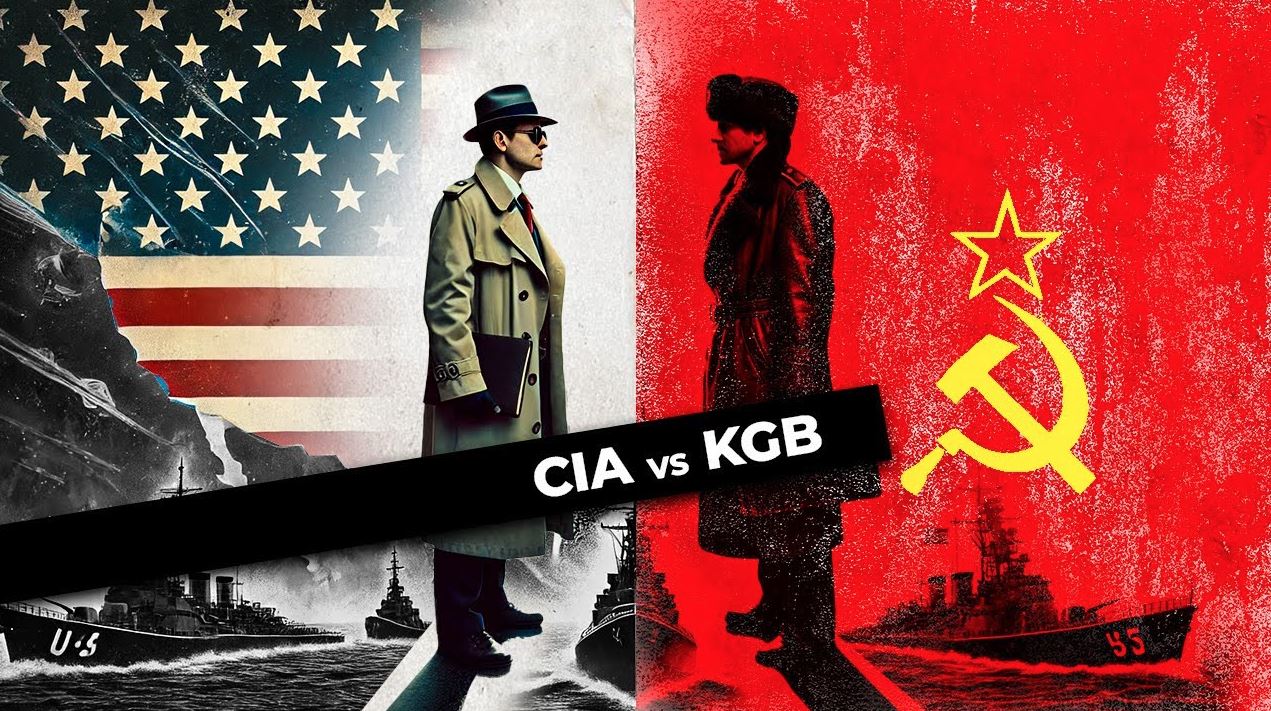
Inside the Covert Trades and Quiet Duels of Cold War Espionage
When Silence Became a Weapon
Peace after the great war did not feel like calm at all, it felt like a room filled with locked briefcases and guarded smiles. In that uneasy quiet, strategy moved from trenches to train stations and from beaches to boardrooms. Officials learned that secrets could control armies without firing a shot, so information turned into both shield and sword. Men and women trained their memories to hold names, schedules, and quiet signals that passed unnoticed through crowded streets. Airfields mattered, ports mattered, but so did a whispered meeting in a library where a map pocketed inside a coat could steer the fate of ministries. The age of the spy did not look dramatic to the passerby. It looked like routine, a suitcase, a newspaper, and a careful schedule that put two strangers at the same park bench at the same hour every third Thursday. Every state taught itself to doubt everything that looked simple. An art exhibition might host a courier, a trade fair might hide a safe house, and a radio concert might mask a sequence of numbers meant for one listener. The idea of victory changed shape. It was no longer a banner raised on a hill, it was a line of type recorded by an analyst who understood what a single ship rerouted today could mean for a fleet six months from now. Silence worked as pressure, not absence. It made citizens rehearse their sentences and officials weigh every handshake. The quiet itself became a method, and people learned to speak in signals because direct claims felt dangerous even in friendly rooms. Inside that climate of careful language, fear found order and order found policy. Embassies adjusted seating charts to keep rivals apart, yet the most useful meetings occurred when rivals shared a hallway and overheard a careless detail about a delayed shipment or a missing colonel. Rail timetables became strategic documents, and weather reports became hints about flight tests, since a stretch of clear sky often foretold a trial that no one admitted was scheduled. Insurance policies, shipping manifests, and the chatter of sailors in port bars created an informal archive that analysts used to reconstruct hidden directives with patient care.
Factories of Secrecy Across Two Blocs
Both superpowers built bureaucracies that could swallow small cities, and they staffed them with linguists, engineers, case officers, and clerks who could turn a rumor into a file that might live for years. In the West, a sprawling agency learned to recruit through clubs, campuses, and conferences, while insisting that ethics and necessity could share the same table even when operations tested patience. In the East, a monolithic service treated surveillance like a civic duty and documented daily life with a precision that turned private rooms into annexes of the state. Factories of secrecy produced training manuals, coded pads, miniature cameras, and cover employment for travelers who were not what their business cards claimed. Budgets hid inside other budgets. Recruiters studied loneliness and found that boredom could be as valuable as ideology, because an isolated officer stationed abroad would welcome the attention of a charming stranger who remembered small details and asked careful questions. Rival services chased the same sources, sometimes without knowing it, and a single accountant in a shipping firm might receive two separate approaches within a year. The contest rarely looked heroic. It looked like fluent small talk, a gift of hard to find records, and a promise that a child could attend a better school if a parent shared a timetable for cargo moving through a port at midnight. Training schools taught surveillance detection routes that looked like errands, a visit to a tailor, a stop at a pharmacy, and a short ride on a bus chosen for clean windows that doubled as mirrors. Paperwork supported everything, receipts for coffee, tickets for museums, and all of it kept inside folders that could persuade a border guard who expected consistency more than charm.
Crafting the Perfect Cover Identity
A cover identity needed patience, because a legend that grows slowly is stronger than a tale invented overnight. Operatives collected library cards, joined hobby groups, paid taxes, and complained about weather with the same sincerity as any neighbor on a stairwell. A convincing false life contained flaws on purpose, a missed appointment, a dented suitcase, a wardrobe that repeated colors in a way that suggested habit rather than design. Handlers taught recruits to resist the urge to perform. Real people forget names sometimes, spill tea, or arrive late, so the safe way to seem real was to allow small errors and then let others fix them. Photographs taken at harmless events served as insurance, because a face that appears in community papers looks less suspicious when it later crosses a border. The craft of the legend took root in ordinary routines, shopping lists, utility bills, and the clink of coins placed in a transit machine every weekday. When pressure rose, a cover story survived by folding around questions rather than breaking against them. That flexibility came from rehearsal, but also from a talent for listening that allowed an operative to echo the rhythm of a room without drawing attention. The perfect cover did not look perfect, it looked busy, flawed, and local.
Signals, Satellites, and the Race to Listen
Signals intelligence changed the pace of espionage by turning sky and orbit into listening posts. Engineers built dishes that could drink weak transmissions from across oceans, and mathematicians designed ciphers that survived brute force attacks for years. Satellites began to circle the planet with cameras that read airfields like open notebooks. Receivers in quiet vans parked near embassies captured bursts of numbers that agents memorized with practice. Every advance created new countermeasures. Scramblers gave way to fresh algorithms, and cipher pads moved from paper to silicon, yet human error kept the game alive. A sleepy operator reused a key, a clerk filed a report in the wrong drawer, or a technician bragged in a bar about the range of a brand new antenna. Rival services pounced on such gaps, and a single careless boast might unwind a million dollars of investment. Listening was only half of the race. Sorting mattered more, because floods of raw capture could drown an office. The best analysts learned to ignore noise and to trust anomalies that repeated in a pattern, like a ship that always called home five minutes after the hour when a certain duty officer rotated through the night shift. Field units learned to move antennas by millimeters to sharpen reception, and they timed recordings to avoid traffic that produced bursts of static at the top of the hour. Teams learned that certainty was rare, so reports assigned probabilities with care, teaching decision makers to respect doubt as a sign of honesty rather than weakness.
Wars of Culture and the Battle for Belief
Cultural influence turned galleries, lecture halls, and newspapers into quiet theaters of contest. Symphony tours carried more than music, visiting writers ferried more than books, and student exchanges moved more than youthful optimism. Magazines praised reform in one capital while pamphlets in another warned that liberty was a mask for greed. Funding flowed through foundations that insisted on independence while quietly tracking outcomes. Art that celebrated individual choice traveled widely, while films that honored collective purpose won prizes at festivals that doubled as diplomatic salons. The audience became both subject and participant. People argued in cafés about poems and paintings without realizing that those arguments were the very point, because debate itself framed one system as open and the other as frightened of conflict. Cultural trade made ideology feel domestic. It changed taste, it shaped fashion, and it wrapped political preference in style rather than decree. Universities hosted debates about civic duty that echoed into kitchens and factories, and those echoes mattered because they shaped how a community interpreted news the next morning. Ballet companies toured regions where soldiers stood in quiet rows, and the elegance of movement told a story about discipline that no speech could match.
Defection, Reinvention, and the Price of Choice
Defection offered both theater and intelligence, and services prepared for it with safe flats, new passports, and the delicate art of teaching a person how to live a second life. Motives rarely fit neat categories. A tired officer longed for a future without watchers, a scientist felt insulted by a supervisor, a courier fell in love with someone across a forbidden line, and each found a door when the risk seemed smaller than the despair. Interrogators listened for truth inside exhaustion. They compared dates, checked travel receipts, and asked the same question three ways over several days, looking for the stumble that reveals invention. Some defectors brought treasure, codes, and lists, while others offered context that helped turn previous scraps into a coherent pattern. Not all escapes ended in relief. New identities brought silence and the quiet grief of never calling an old friend again. In that silence, services studied their own failures and tightened internal checks, because every defection increased suspicion, and suspicion slowed work. The price of choice lived on long after the headlines faded.
Frontiers of Influence in the Global South
Intelligence wars touched every continent, and many of the fiercest contests unfolded far from the capitals that issued orders. In parts of Africa, Asia, and Latin America, aid shipments arrived with advisors who trained police, radio engineers, or agricultural planners while quietly mapping influence networks. Rival teams sponsored newspapers, funded unions, and lent money to parties that promised stability on their own terms. A coup could begin with a rumor about grain shortages or a forged invoice that implied theft in a ministry. Some operations propped up reformers who curbed violence, while others armed factions that stripped villages for parts. The result was a patchwork of outcomes that still shape local memory. People who never met a single foreign officer nevertheless lived inside the wake of hidden contests, where a bridge appeared because a file in a distant office reached the right desk at the right hour. This diffusion of influence showed that power in the period did not always require occupation. It could arrive by radio, scholarship, or shipment schedules recalculated to reward friendly votes in a legislature. Ports measured friendship by the speed with which customs officers cleared containers for partners and delayed them for skeptics. Radio stations announced school closings during storms, and those announcements doubled as test runs for emergency scripts that would later support curfews or evacuations. Local jokes changed when outside money arrived, and humor turned into a barometer of trust that visiting officers learned to study with the same attention they gave to maps.
What Remains After the Masks Are Removed
Espionage from that cold era has ended as formal rivalry, yet its habits remain, shaped now by cables of light and rooms of humming servers. States still chase advantage through secrets, companies adopt the same methods to defend patents, and citizens carry devices that report location, taste, and fear without orders. The masks have changed material, from paper identities to passwords, but the trade remains a human craft. People decide whom to trust, when to talk, and what to hide. Archives continue to open and close like tides, and each release reminds us that private choices once shifted history. The lasting lesson is practical. Power rooted in secrecy always seeks more, so free societies survive by pairing vigilance with transparency, and by teaching memory that can hold complexity without turning curiosity into panic. When the masks come off, what remains are the choices made in quiet rooms, and the simple duty to recognize how easily fear can rewrite the meaning of safety. Memory guards free institutions.