

When Cities Learned to Breathe Again
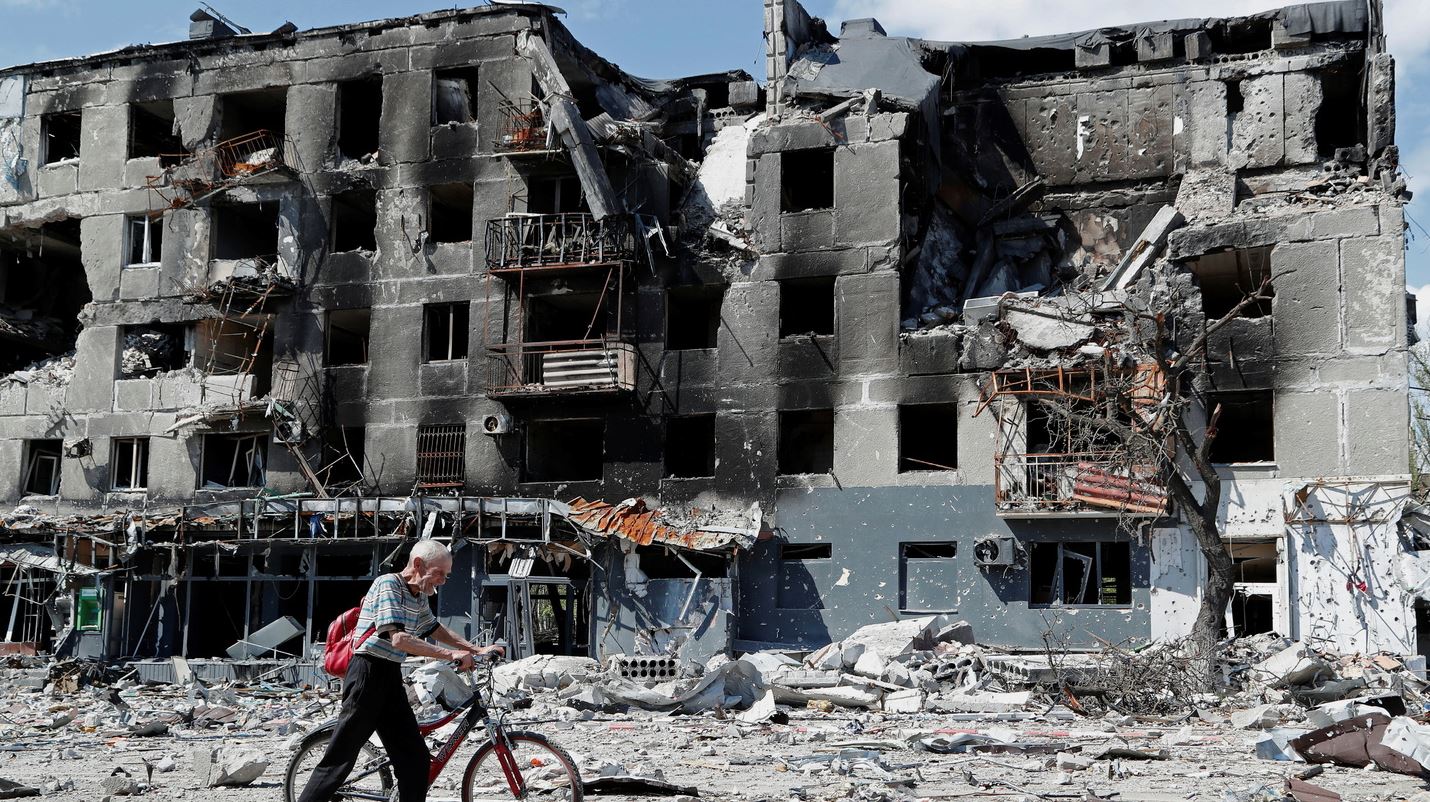
Nations rose from ruins, rebuilt identities, and redefined humanity after the silence of war
The Weight of the Aftermath
When the last echoes of artillery faded, what remained was not silence but a deep, collective exhaustion that covered continents. Cities were no longer cities but skeletal remains of ambition, their streets buried under stone and ash. Survivors walked among wreckage that mirrored their own inner desolation. The immediate aftermath of war was a landscape of confusion, where victory felt hollow and defeat seemed endless. Governments struggled to assert order in societies stripped of infrastructure and trust. Food was scarce, disease rampant, and every home carried ghosts of those who would never return. Reconstruction began not with blueprints but with shovels and bare hands, as people dug through debris searching for memories worth saving. It was an age where rebuilding meant more than replacing what was lost; it meant redefining what it meant to live. The physical and emotional ruins were inseparable, shaping a generation that had to relearn how to breathe, how to believe, and how to build again.
The Architects of Renewal
In the shattered remains of Europe and Asia, architects and planners became unlikely heroes. They were not soldiers or statesmen, but visionaries who understood that the future must rise from the past without repeating it. Figures like Le Corbusier, Walter Gropius, and Kenzo Tange saw opportunity in devastation. Their plans were not only about rebuilding structures but also about reimagining human life. Streets widened to welcome sunlight, housing blocks rose in geometric order, and civic centers symbolized unity rather than dominance. The ruins of Warsaw, Hiroshima, and Dresden became laboratories for modern architecture, where the old world was reinterpreted through steel, glass, and concrete. Reconstruction was not a return to what once was, but a rebirth guided by the lessons of catastrophe. Governments supported these transformations through ambitious programs, seeing in architecture a means of healing collective trauma. Every building was a promise that civilization, though wounded, had not surrendered. It was through the careful shaping of space that societies began to find their shape again.
The Economic Resurrection
No reconstruction effort could succeed without the machinery of economic revival. The factories that once forged weapons now manufactured hope in the form of machinery, tools, and trade goods. In Western Europe, the Marshall Plan became a cornerstone of renewal, channeling billions into economies once defined by rubble. This was not merely aid but strategy, as stability was seen as the strongest defense against future conflict. Across the Pacific, Japan reinvented its industrial identity, replacing militarism with innovation. Nations learned that economic reconstruction required more than money; it demanded cooperation, accountability, and vision. Trade routes reopened, currencies stabilized, and labor became both a burden and a source of pride. The workforce, once decimated, reassembled under a new sense of purpose. Every rebuilt bridge and reopened port was a victory in a different kind of war, the war against despair and stagnation. The miracle of reconstruction was not just that economies revived, but that they emerged stronger, more interconnected, and more aware of their fragility.
The Humanitarian Frontline
Amid policy and planning, it was the quiet work of humanitarians that truly kept the world from collapsing. The Red Cross, UNICEF, and countless volunteer organizations ventured into territories where governments could not yet reach. They brought not only food and medicine but also compassion in an age when kindness had become scarce. Refugee camps, though temporary, became crucibles of resilience where people began to rediscover community. The displaced, numbering in the millions, shared their stories and rebuilt their identities together. Reconstruction on a human level required patience, empathy, and persistence. Hospitals were rebuilt not only with bricks but with trust. Teachers returned to classrooms that had no roofs but endless determination. It was through these small, often invisible acts that humanity restored its pulse. The humanitarian effort bridged nations and ideologies, proving that recovery was not merely the task of victors or governments, but a collective responsibility shared by all who refused to let civilization die in silence.
The Politics of Reconstruction
Rebuilding nations meant rebuilding power, and power rarely came without conflict. The post-war period was marked not only by cooperation but by competition between emerging ideologies. In the ruins of Europe, the divide between East and West hardened into what would become the Cold War. The United States and the Soviet Union both offered aid, but every shipment of steel and grain carried with it political influence. Reconstruction thus became a battlefield of persuasion rather than weaponry. Governments had to balance internal stability with external alignment, often at great cost. New constitutions were written, monarchies dissolved, and borders redrawn. In Asia and Africa, decolonization movements gained momentum as nations realized that rebuilding meant more than physical repair, it meant reclaiming sovereignty. The politics of reconstruction were turbulent, yet they forged new identities out of necessity. The world that emerged from the ashes was not simply repaired but reorganized, shaped by negotiation, compromise, and the constant struggle between power and peace.
The Cultural Reawakening
Once the basic needs of survival were met, societies turned to art, literature, and philosophy to make sense of what had happened. Artists painted ruins not as symbols of defeat, but as canvases of rebirth. Writers chronicled the quiet endurance of ordinary people, while filmmakers captured the fragile balance between despair and hope. Cultural reconstruction became a means of collective therapy. In Germany, the rubble films of the late 1940s depicted cities as mirrors of the human condition. In Japan, post-war cinema explored guilt and renewal through haunting visual poetry. Across the world, museums reopened their doors, theaters resumed performances, and music filled streets once echoing with sirens. Culture reminded people that even in destruction, beauty persisted. It gave form to grief and purpose to recovery. By reclaiming creativity, nations reclaimed their humanity. The arts became both a reflection and a catalyst, transforming memory into identity and ensuring that the lessons of war would not fade into abstraction.
The Psychological Landscape
Perhaps the most complex reconstruction was the one that took place within the human mind. War had left invisible scars that no blueprint or treaty could mend. Entire populations suffered from what would later be called trauma, though at the time it had no language. Veterans returned home as strangers, haunted by images that refused to fade. Civilians bore their own burdens, loss, guilt, and the quiet dread of recurrence. Psychologists, doctors, and social workers began to address these wounds through emerging fields of study. Rehabilitation centers became sanctuaries for healing both body and spirit. Governments launched campaigns to restore morale, emphasizing unity and purpose over sorrow. But recovery was uneven, and memory remained a double-edged sword. Forgetting was impossible, yet remembering too vividly threatened to reopen old wounds. The true success of post-war reconstruction lay not in the buildings erected or the roads paved, but in the ability of humanity to confront its own darkness and choose to continue.
The Global Reconstruction Ethos
As decades passed, the lessons of post-war recovery became universal. Nations that had once been enemies found themselves collaborating on peacekeeping missions, development programs, and humanitarian initiatives. The concept of reconstruction evolved from rebuilding after war to building resilience before conflict could begin. International institutions like the United Nations emerged from this ethos, embodying the belief that cooperation was the only antidote to destruction. The scars of past wars became foundations for diplomacy. Reconstruction was no longer just a process but a philosophy, one rooted in the understanding that peace required constant maintenance. The global community learned that rebuilding was never finished, only renewed with each generation. Every earthquake relief, refugee resettlement, or disaster recovery effort echoed the same principle born from the ashes of the twentieth century: that human progress is measured not by the absence of war, but by the strength of what follows it.
The Enduring Architecture of Hope
Reconstruction is not an event but a rhythm that beats through history. Each conflict leaves behind ruins, and from those ruins rise structures shaped by lessons, sacrifice, and defiance. Whether in the rebuilding of a city, the reopening of a school, or the quiet resilience of a survivor, reconstruction is the most profound expression of human endurance. It reminds us that destruction, however complete, can never extinguish the impulse to rebuild. The cities that learned to breathe again stand today as monuments not to war, but to recovery. Their foundations are laid not only in stone but in spirit. In every street repaved, every child educated, and every wall repainted, humanity continues the work of healing. The story of post-war reconstruction is the story of survival through creation, a testament that even after the darkest chapters, the will to rebuild remains one of the most unbreakable forces in existence.